





Complexity & designFree
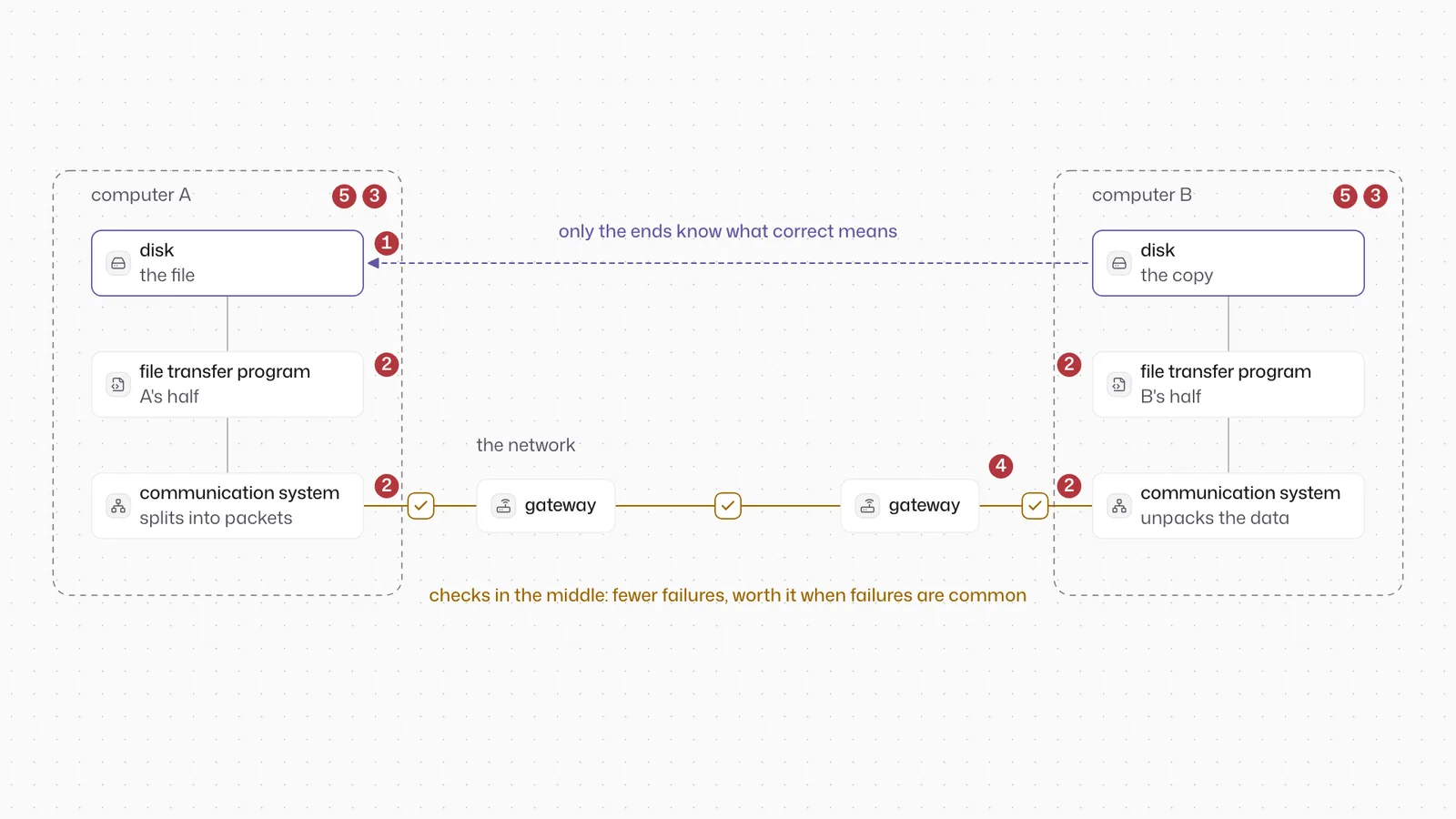
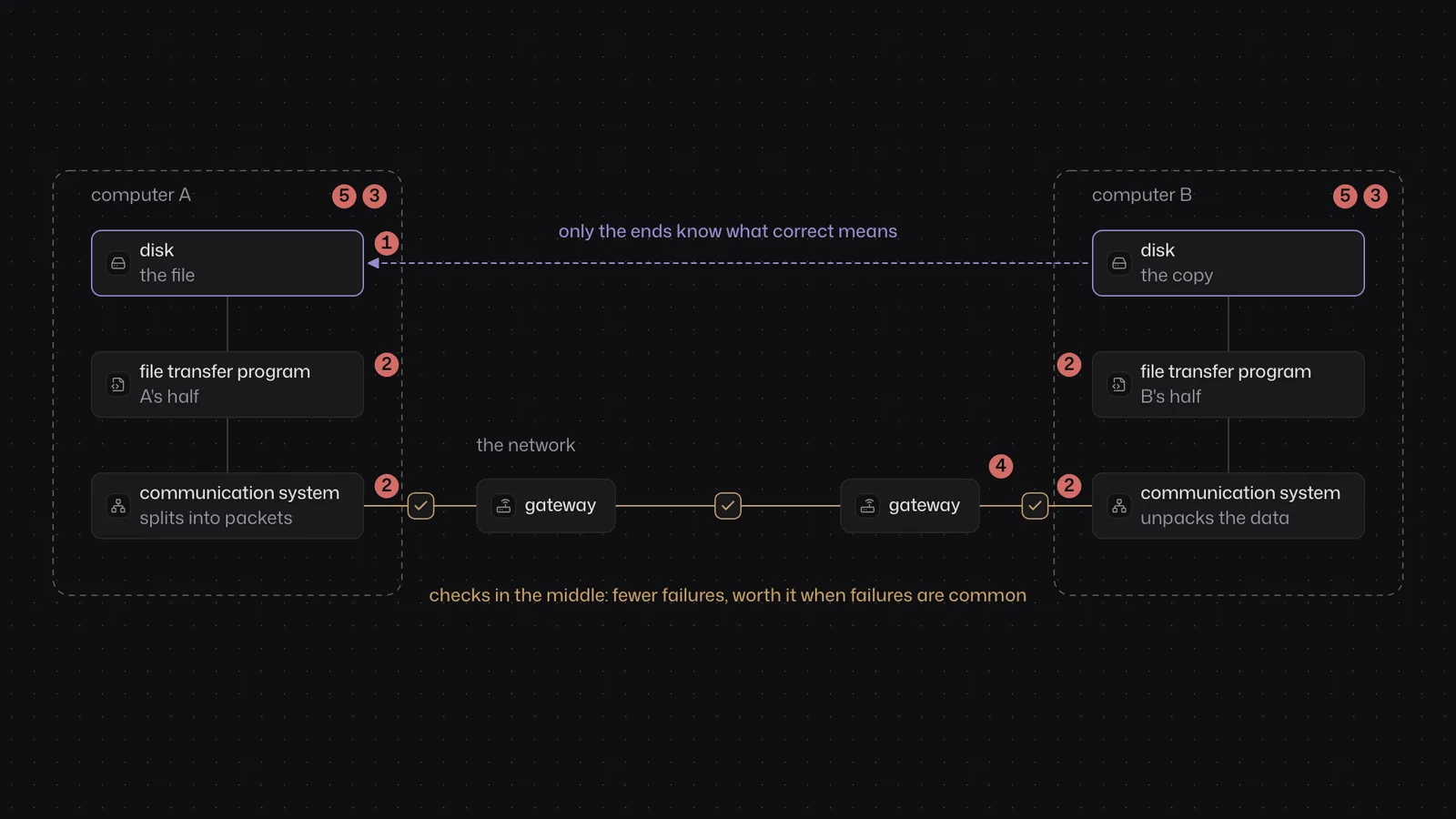
No Silver Bullet: Essence and Accidents of Software Engineering
Fred Brooks, 198618 min
The courses senior engineers wish they had
AI writes more of the code every month. Knowing how systems fit together, fail and scale is what lets you direct it and review what comes back. Every lesson is drawn, narrated and quizzed.
Live · tixdrop, Friday 10:00
[01] Watch · Press play, no sign-up
Learners from
[02] Figures
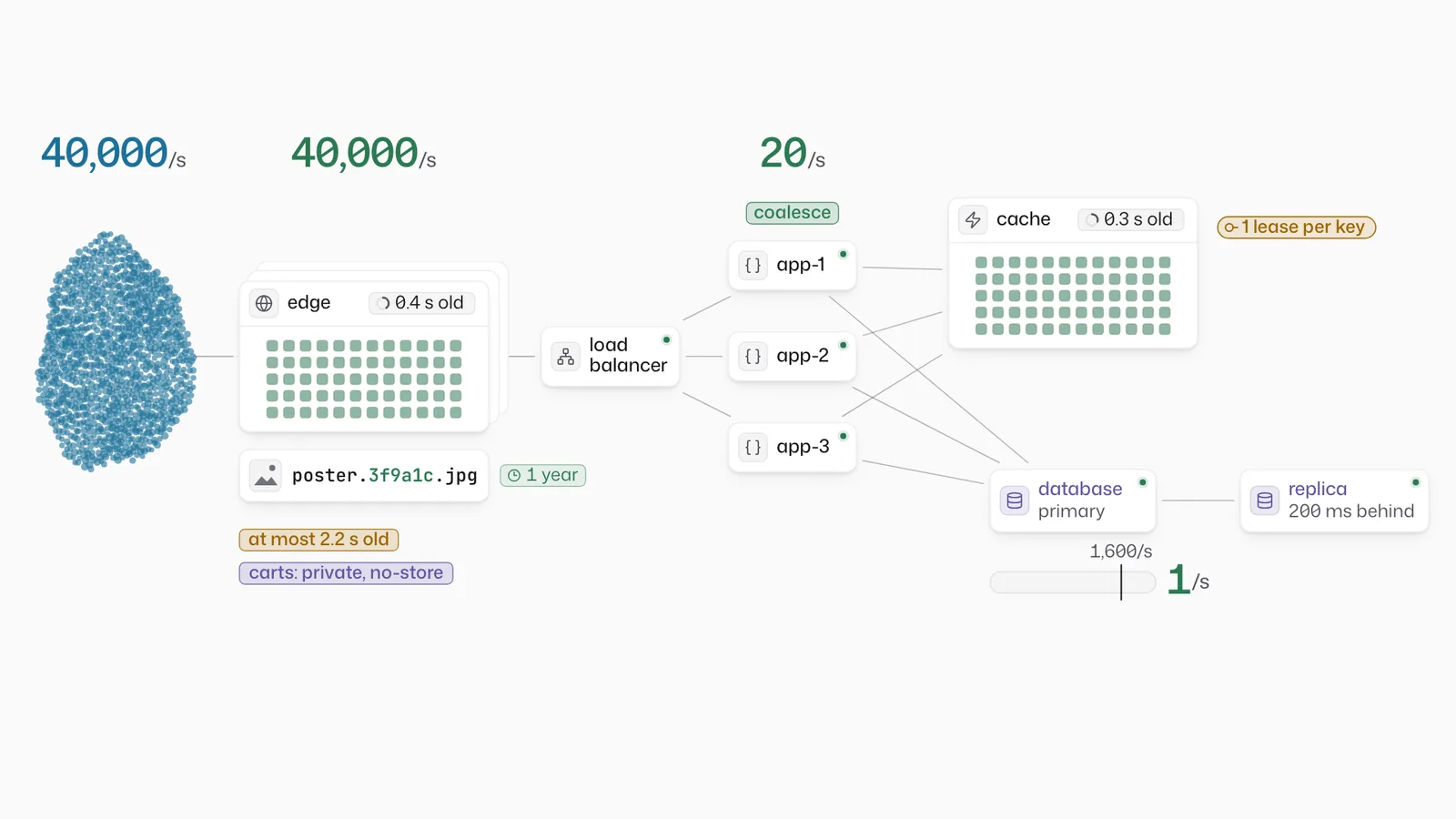
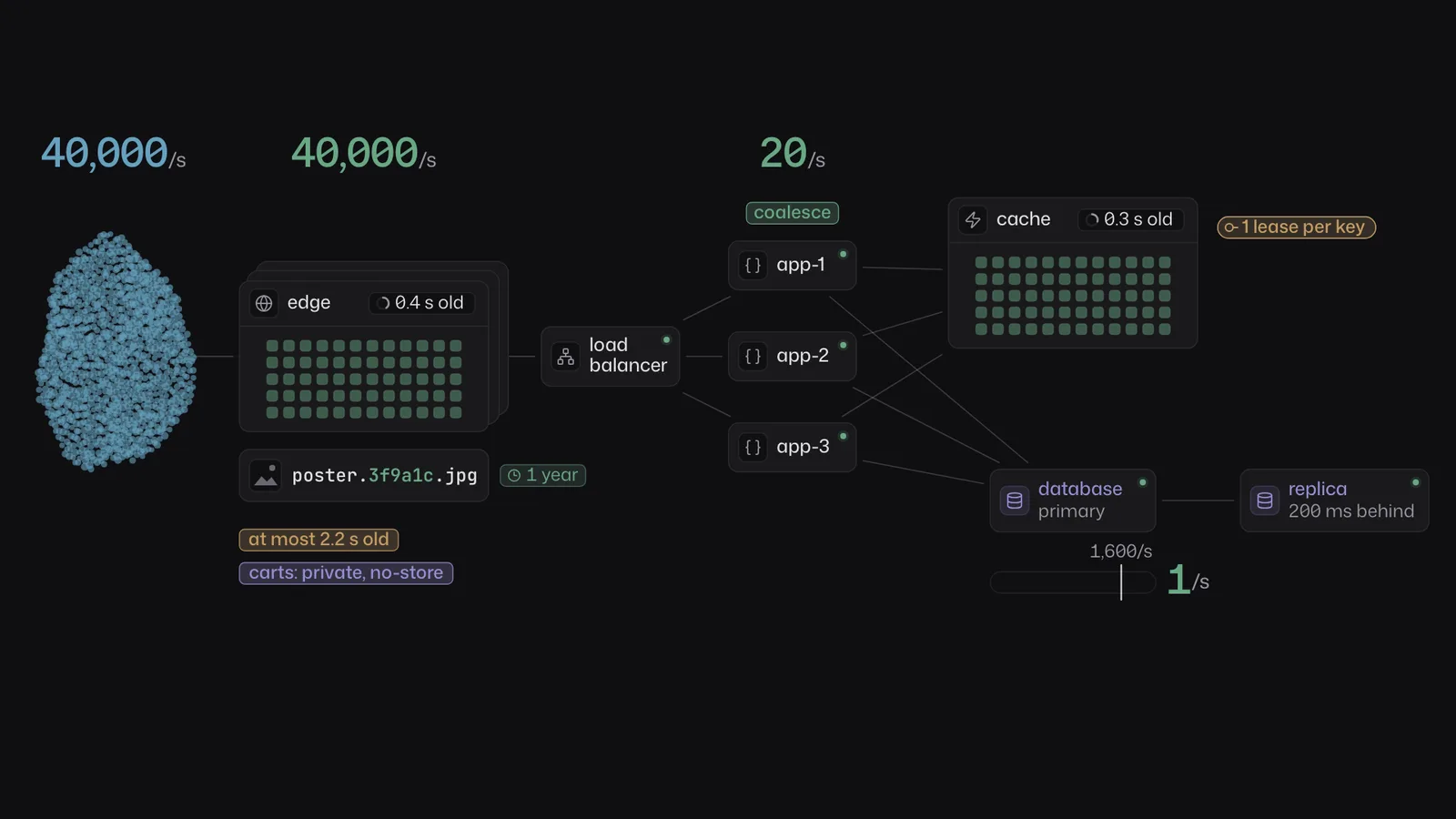
Every figure comes from a real lesson and uses its numbers. Four of them run live, so go ahead and break them.
 Hover to playTap to play
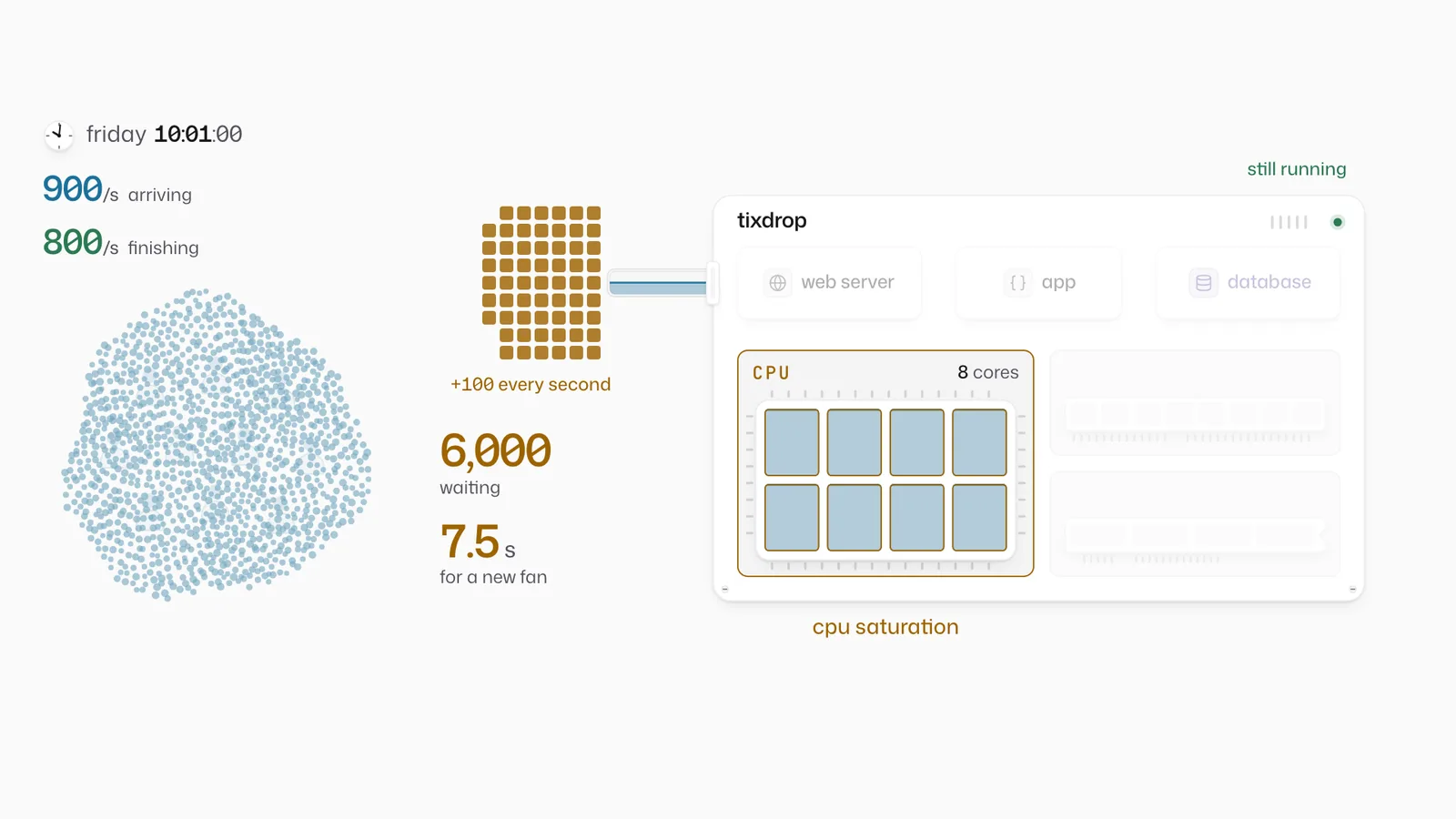
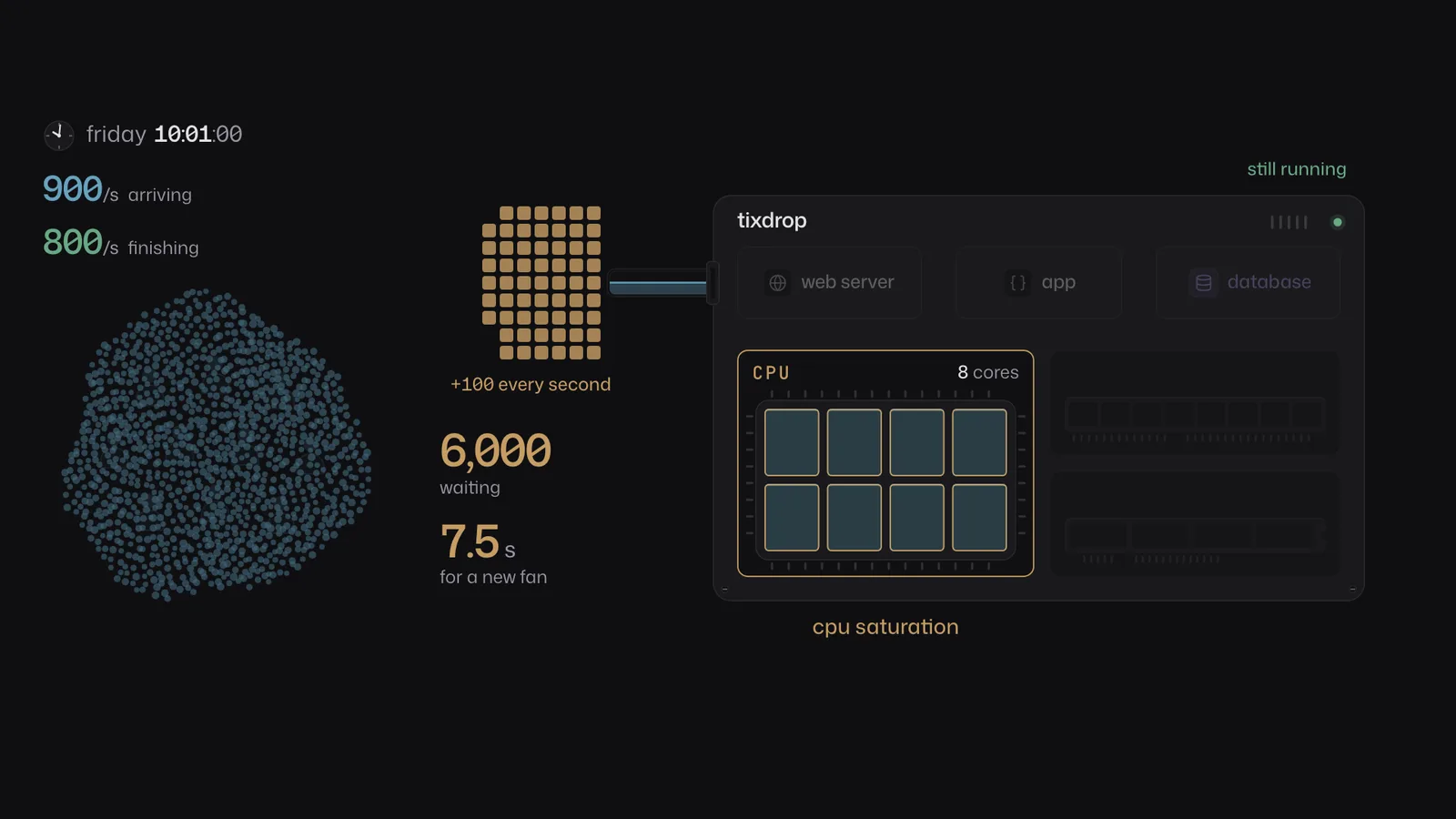
Fig 01
900 requests arrive, 800 finish, 6,000 wait in line
Why distributed? The single machine ceiling
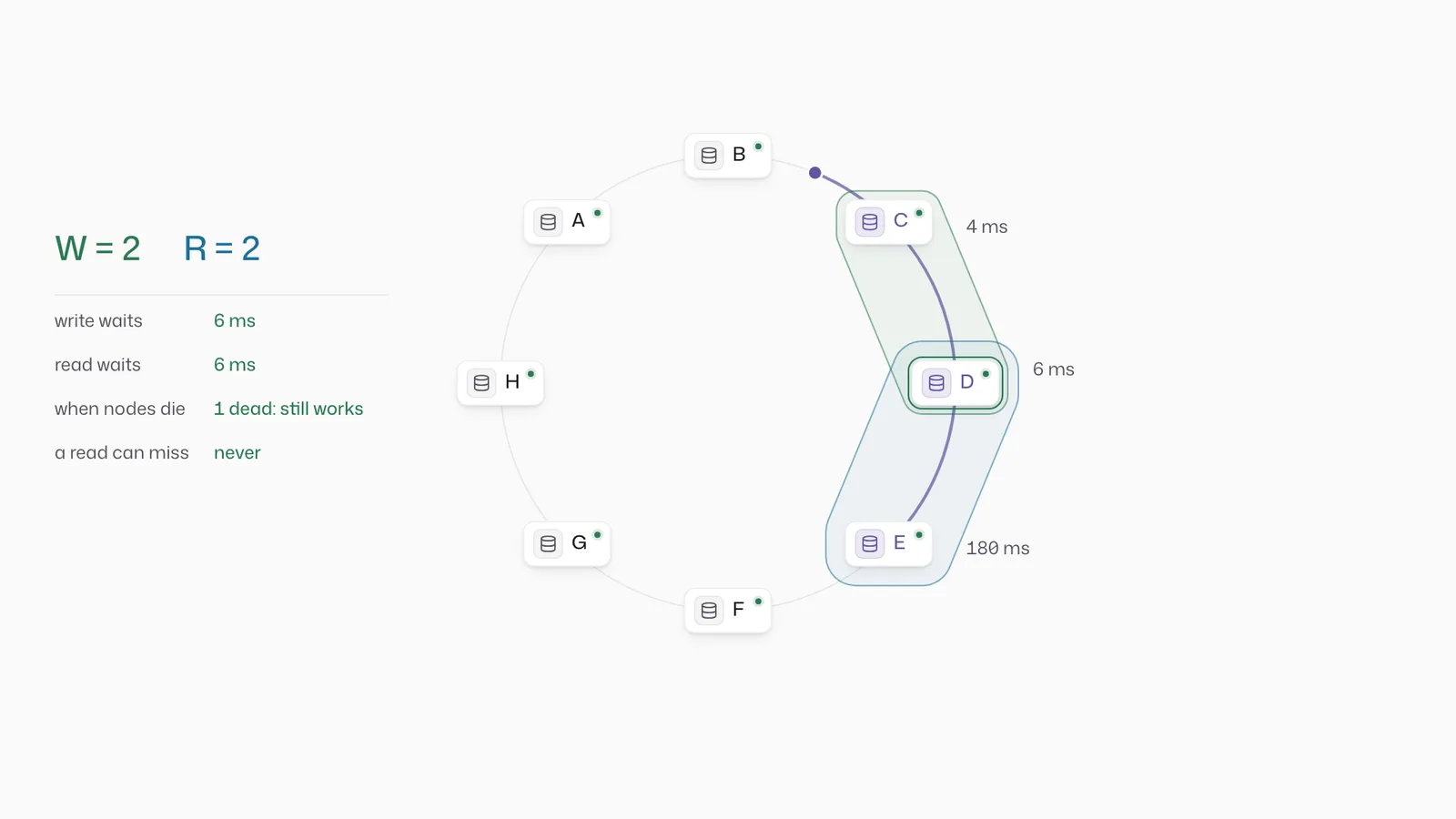
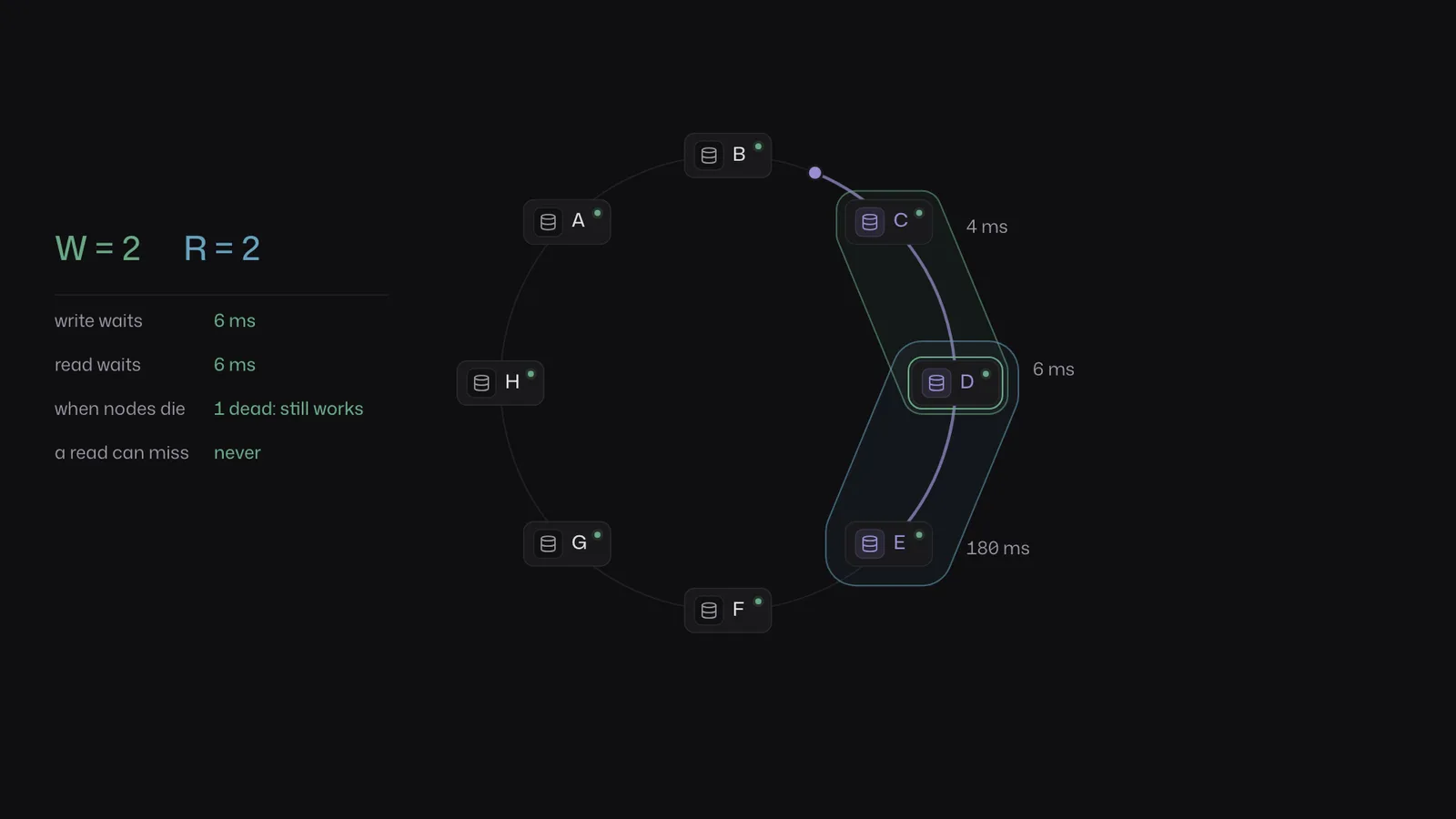 LiveClick a replicaTap a replica
Fig 04
W=2, R=2 on three replicas: every read meets the write
Dynamo: the cart store that always says yes
 Hover to playTap to play
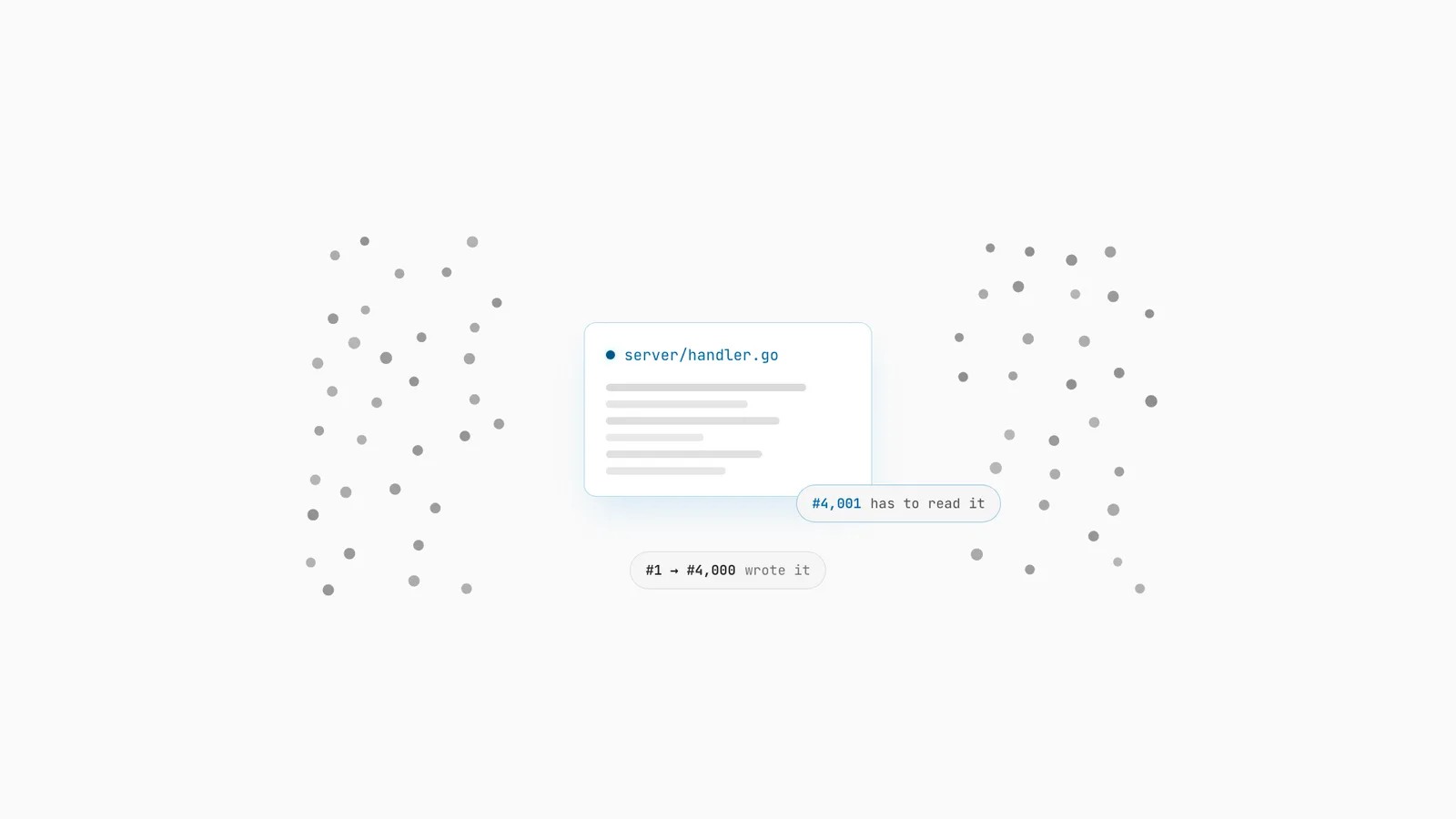
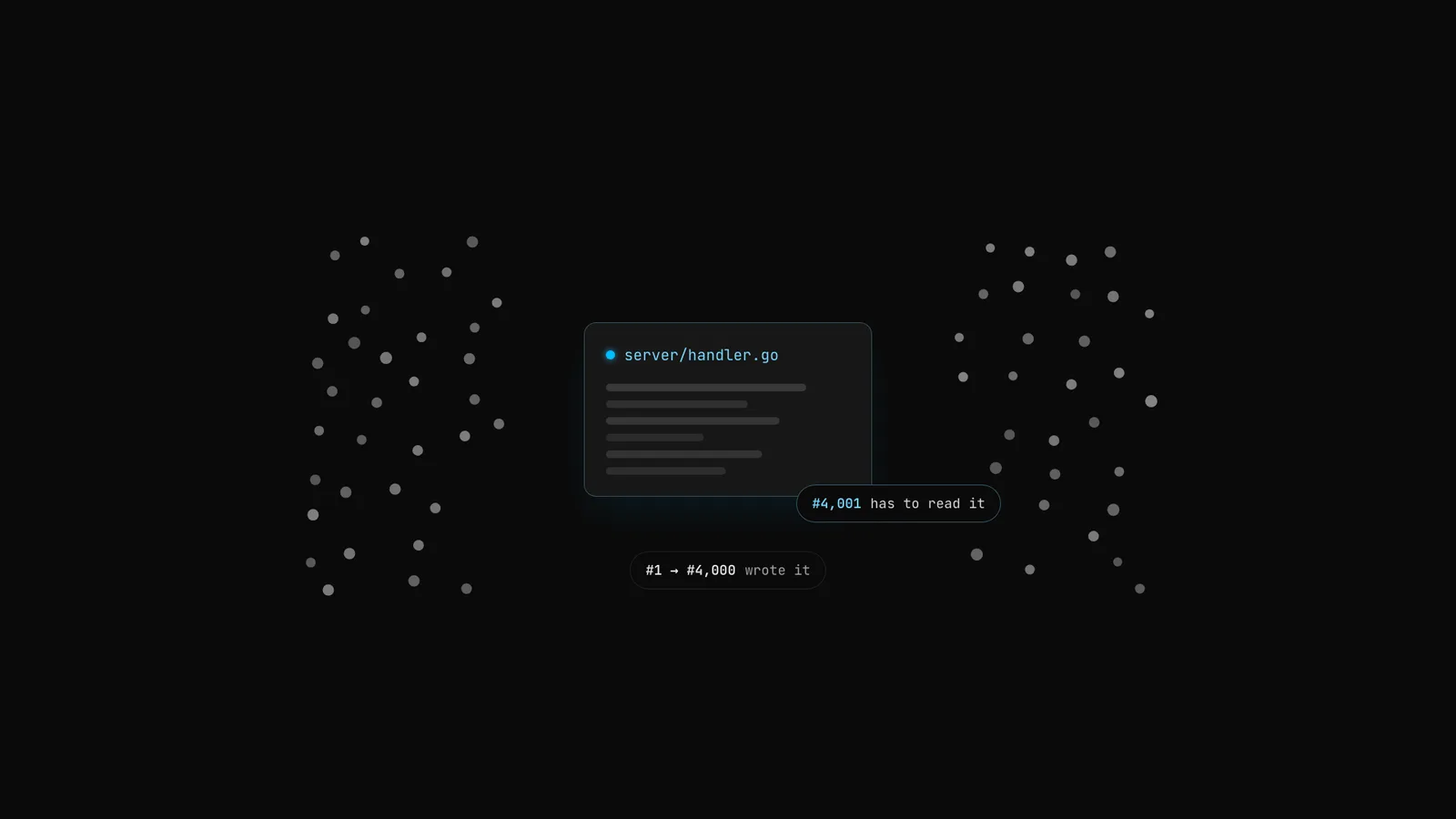
Fig 05
4,000 engineers wrote the file, #4,001 has to read it
Why Go, why now: a 2007 language built for the AI era
[03] Courses
Each course takes one topic all the way, from first principles to the systems you run. Every one starts free, so you can judge the teaching before you pay.

25 lessons · 5 hours · Free to start
40,000 fans, 5,000 seats, one drop at ten o'clock. Follow it from one server to a hundred times the load: why every piece exists, and how it breaks.

33 lessons · ~14 hours · Free to start
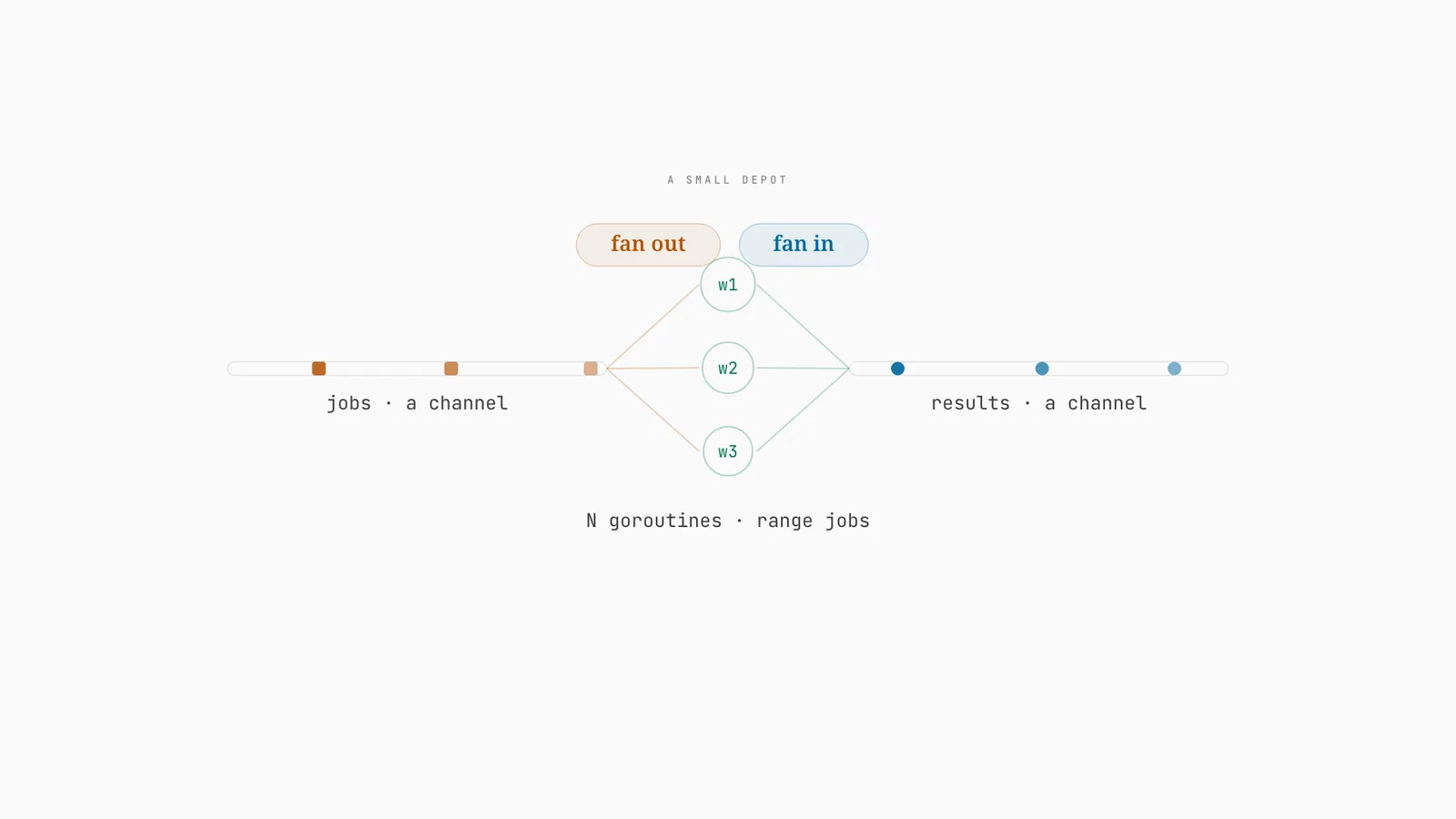
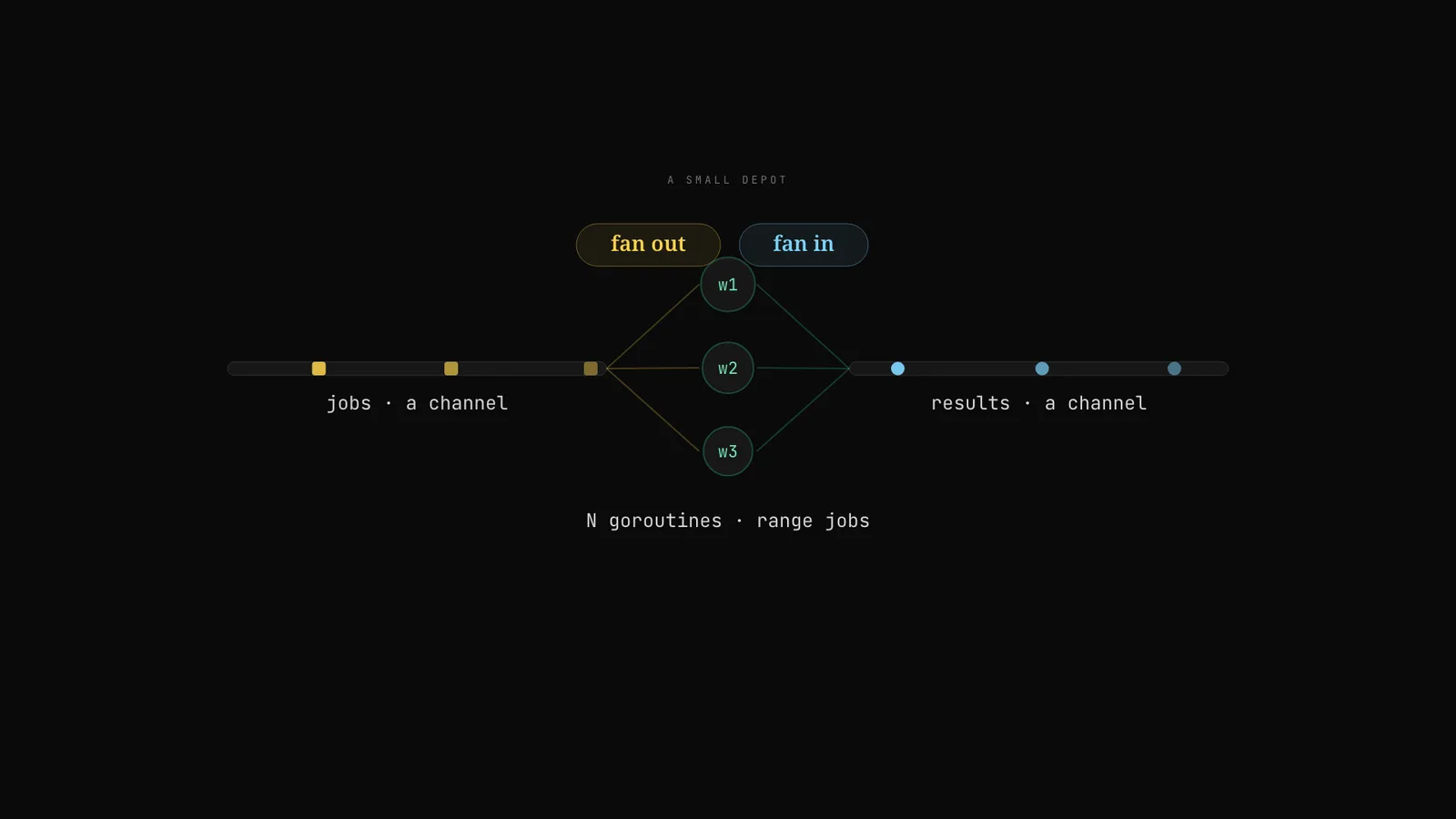
The most complete Go foundations course out there. 33 lessons and ~14 hours, from hello world to a tested, concurrent HTTP service on Go 1.27. You build feedstack, a real feed aggregator, one lesson at a time, and the course is updated with every Go release.

17 lessons · 4h 34m · Free course
The 80% every engineer needs, from first principles. Complexity, the memory hierarchy, the core structures, and the algorithms built on each.
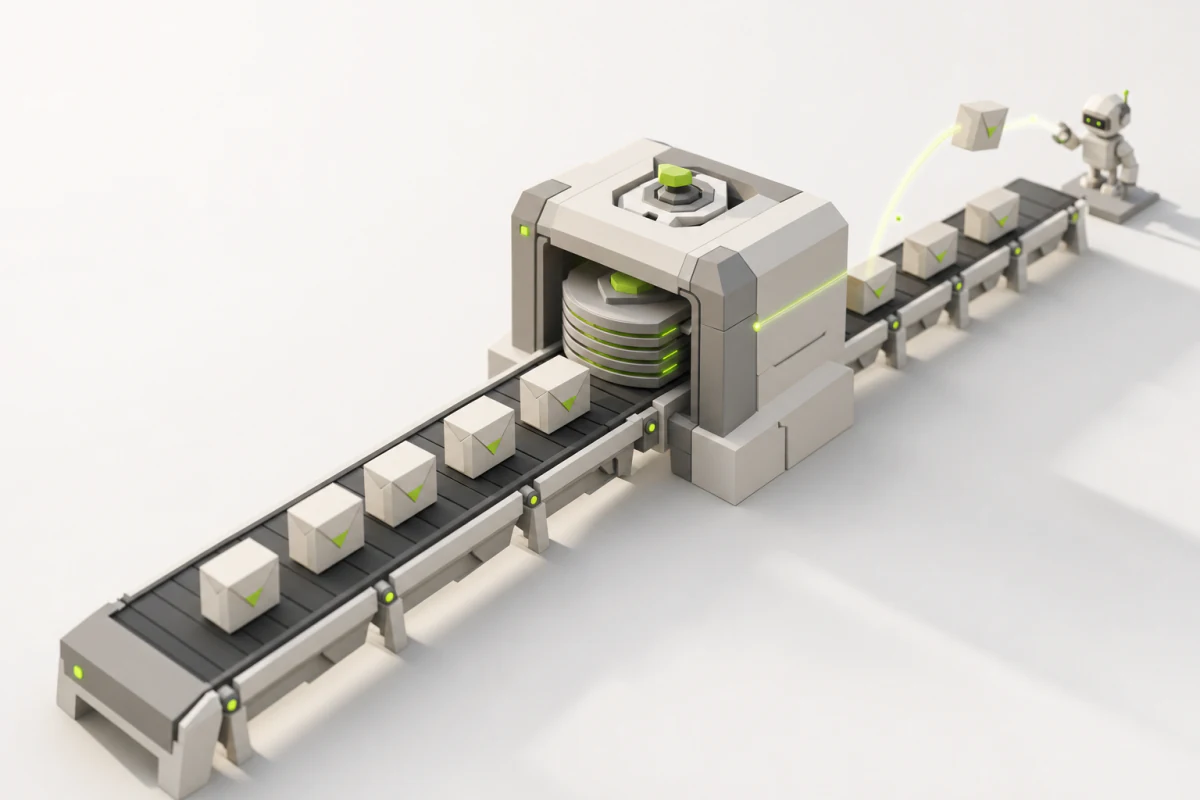
9 lessons · ~3.3 hours · Free to start
Build the queue behind a shop's order emails, from a list in memory on one machine to a replicated broker like SQS.
Courses in a suggested order for one goal. Every course stands alone, so start wherever you are.
[04] Papers
Classic and recent papers every engineer should know, each explained in an animated video and a close-reading write-up. Some are free to watch.
Fred Brooks, 198618 min



[05] From learners
I've been working as a backend engineer for a while, and most of my system design understanding came from scattered blogs, docs, and bits of papers. Karnstack helped bring that into a much clearer structure.

Anamika
Lead Software Engineer at Headout
The course hits that sweet spot between depth and breadth of the topics involved in distributed systems, making it a great way to learn/revisit the fundamentals. Its interactive simulators and quizzes keep things fun and engaging while leveling up the architectural intuition from first principles.

Bala Vijaya Krishna Saladi
Software Engineer at Amazon
I'm a frontend engineer who'd been faking my way through system design conversations for years. This course is the first thing that actually closed the gap. The communication module alone, tcp, tls, service discovery cleared up more than every half-read blog post combined. Now I can sit in a design review and actually follow what the backend folks are arguing about.

Karandeep Singh
Senior Frontend Engineer at Appbrew
[06] What’s new
New lessons land every week, and the rest of the site keeps changing too. This is the log.
[07] Next
36 ideas, one topic each, in the same animated format. The most voted get made first.

Install it, learn the agent loop, then steer it with plan mode and permission modes on a real repo.
CLAUDE.md, memory, compaction and checkpoints: what the agent sees, and how to keep it sharp in long sessions.
Turn your repeated prompts into self-loading skills and your rules into hooks the agent cannot skip.
How the Model Context Protocol works on the wire, then build a server that gives an agent your own tools and data.
Worktrees, subagents and background sessions: run several agents on one codebase without them colliding.
[08] Questions
Format, access, refunds. If yours isn’t here, email mail@karnstack.com.
The data structures course is free, and every other course opens with free lessons. Plans and prices are on the pricing page.